Agricultural Education: Universities do not have a money problem. They have a courage problem
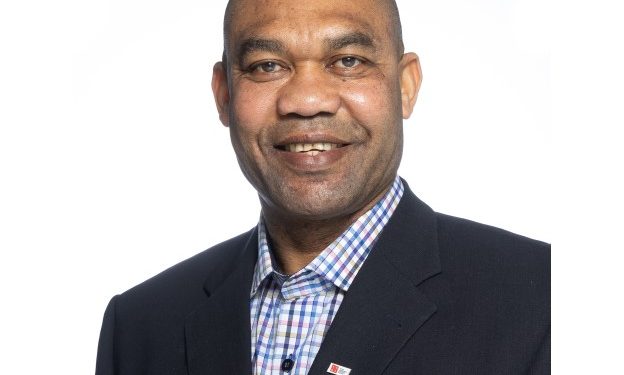
By Dr. Stephen Onakuse
Underfunding is often presented as the principal obstacle facing African agricultural education universities. While financial constraints are real, this explanation oversimplifies a far more complex challenge. Institutional culture, political instability, weak infrastructure, ineffective budgeting, poor governance, limited global engagement and weak strategic leadership all shape university performance. The deeper issue is not simply a lack of money, but a lack of courage to innovate, collaborate, prioritise impact and reinvent agricultural education for the future.
Budgets are always constrained, but they also reveal institutional values. Leadership is defined less by the size of the budget than by what it chooses to protect. When short-term metrics, rankings and high-profile projects displace investment in teaching, research and innovation, the university’s long-term mission is weakened. The problem is often one of priorities rather than scarcity.
Many African agricultural universities have suffered from a prolonged absence of visionary leadership. Creative problem-solving, institutional reform and curriculum renewal require courage. If universities were judged as rigorously on their contribution to food and nutrition security as they are on financial performance and rankings, spending decisions might look very different.
Too often, resources are directed towards visible infrastructure or prestige projects while agricultural education and research are neglected. The issue is not always that money is unavailable; it is that spending does not consistently reflect institutional purpose.
Scarcity is frequently offered as the explanation for slow progress, but priorities tell a more revealing story. Germany operates just over one hundred universities for a population of around 83 million, while Nigeria has almost 200 universities serving roughly 200 million people, yet curriculum reform remains a persistent challenge. Structural issues, governance and leadership matter as much as funding.
Publicly funded universities often assume that increased government allocations are the primary solution. Additional investment is important, but budget reductions should also prompt institutions to ask whether spending reflects their core values rather than simply reinforcing existing habits.
There is, of course, a scarcity of both resources and courage. Leadership is revealed by what universities choose to protect when resources are under pressure. The strongest institutions continue to invest in people, scholarship and educational quality because these are the foundations of long-term credibility.
Critics may argue that university leaders are constrained by funding models, rankings, enrolment targets, publication metrics and revenue pressures. These incentives are real, but leadership still requires balancing financial sustainability with the university’s educational mission.
Vanity projects are attractive because they are highly visible, whereas preserving excellent teaching, departments and research rarely attracts the same public recognition. Yet these quieter investments generate the greatest long-term value. Financial sustainability and capacity building should be treated as complementary goals, not competing ones.
Reform therefore requires more than individual courage. It also demands changes to the incentives that shape institutional behaviour. Governments should support universities in becoming more innovative, responsive and aligned with national priorities, rather than relying on strategic plans that are quickly overtaken by events.
Managerial expansion and excessive strategic planning can further distance universities from their educational purpose. When administrative growth takes precedence over academic development, institutions risk losing sight of why they exist. Universities must remain financially sustainable without sacrificing the learning experiences, research and innovation that create lasting public value.
Ultimately, agricultural education needs leaders who are willing to experiment, collaborate, delegate and redesign curricula that no longer meet society’s needs. Courage alone cannot solve every structural problem, but without it meaningful reform is unlikely. African agricultural education universities must ensure that their priorities, investments and leadership decisions consistently reflect their core purpose: educating graduates, advancing knowledge and contributing to society.
Dr. Stephen Onakuse is a Senior Lecturer in the Department of Food Business and Development, Cork University Business School, University College Cork.