Why RUFORUM’s 22nd AGM in Zambia matters for Africa’s next generation
By Maureen Agena
For many young Africans, graduating from university is a moment of immense pride. Years of lectures, assignments, examinations and sacrifices finally come together in one certificate. Families celebrate, photographs are taken, and graduates step into the world with hopes of building successful careers.
But for some, the excitement soon gives way to an uncomfortable question: What next?
The reality is that a university degree does not always guarantee employment, and the knowledge acquired in lecture rooms does not always translate easily into the skills demanded by employers or the challenges facing communities. It is this gap between education and opportunity that makes the upcoming 22nd RUFORUM Annual General Meeting, scheduled for 30 November to 4 December 2026 in Lusaka, Zambia, particularly significant. Under the theme, “Translating Higher Agricultural Education, Innovation and Research into Action for Africa’s Agricultural Transformation and Development,” the meeting will bring together university leaders, policymakers, researchers, students, industry representatives and development partners to explore how African universities can contribute more meaningfully to the continent’s development.
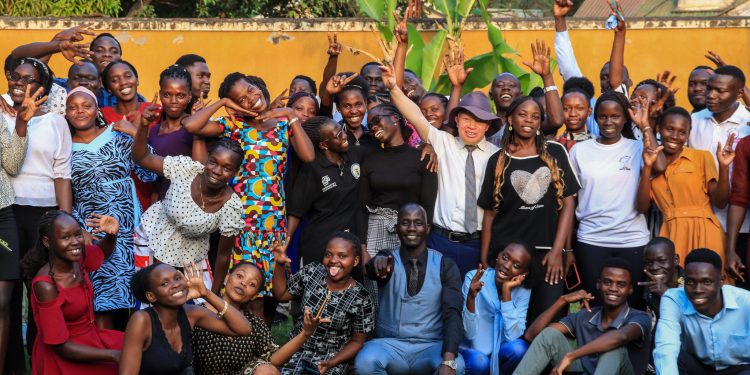
The Lusaka meeting builds on conversations held during the 21st AGM in Gaborone, Botswana, in December 2025, where over 1,112 participants from 45 countries reflected on the future of African higher education. One message stood out, ‘Africa’s universities must become more responsive to the needs of their societies’. Now, as the conversation moves from Botswana to Zambia, the emphasis shifts from identifying what needs to change to exploring how universities can translate those aspirations into practical action.
Rethinking university education
One of the strongest messages emerging from Botswana was that African universities must move beyond traditional teaching models. For decades, universities have largely been recognised as places where students acquire knowledge and qualifications. But today’s world demands much more. Employers increasingly seek graduates who can think critically, solve problems, use emerging technologies, innovate and adapt to changing circumstances. The Botswana meeting therefore called for a shift towards fourth-generation universities, institutions that integrate teaching, research, innovation, entrepreneurship and community impact.
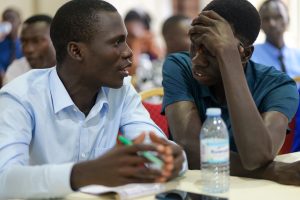
Imagine an agricultural student who does not simply learn about crop production but works alongside farmers to develop affordable technologies that improve yields. Or a computer science graduate who transforms a classroom project into a digital solution connecting smallholder farmers to markets. These are examples of the kind of education that RUFORUM is encouraging African universities to nurture.
With artificial intelligence, robotics and digital technologies rapidly changing the world of work, the discussions in Lusaka offer an opportunity to advance the call for integrating digital literacy, data science and emerging technologies into university teaching and research. And for young people, the message is simple, education should prepare them not only to look for opportunities but also to create them.
Turning young people’s ideas into opportunities
Beyond curriculum reforms, the Lusaka AGM provides an opportunity to sustain another important conversation from Botswana which is the place of young people in Africa’s transformation. At the previous AGM, a youth entrepreneurship hackathon exposed participants to business principles and investment opportunities, demonstrating how universities can nurture innovation beyond lecture rooms.
Such initiatives matter because many young Africans have promising ideas but lack the mentorship, financing, networks and practical skills needed to develop them. The challenge, therefore, is not simply to encourage young people to innovate, but to create environments in which their innovations can thrive. Equally important is ensuring that opportunities extend to young women, rural students, refugees and others who face barriers to education and employment.
In Botswana, delegates endorsed the RUFORUM Gender Inclusion and Safeguards Framework, recognising that Africa’s development cannot be inclusive if sections of its young population remain excluded. As these conversations continue in Zambia, the challenge will be translating commitments to inclusion into opportunities that young people can experience in their universities and communities.
Research that makes a difference beyond university walls
Perhaps one of the most important questions facing African higher education is what happens to the knowledge generated through research. Every year, university students and researchers investigate challenges affecting agriculture, food security, climate change, livelihoods and economic development. Yet promising findings do not always translate into practical solutions.
The Botswana meeting highlighted the continent’s limited investment in research and development, estimated at 0.6% of Gross Domestic Product, compared with a global average of 1.97%. This funding gap affects the ability of universities to support researchers, develop technologies and bring innovations to communities. It also reinforces the importance of partnerships between universities, governments, businesses and development organisations.
For a postgraduate student developing drought-resistant crops or an undergraduate exploring affordable food-processing technologies, such partnerships could mean the difference between a research project that ends on a library shelf and an innovation that improves livelihoods.
The Lusaka AGM’s emphasis on translating research into action therefore speaks directly to one of Africa’s greatest opportunities of ensuring that knowledge generated within universities contributes to solving the continent’s challenges.
From Botswana’s commitments to Zambia’s possibilities
RUFORUM’s growing network, which brought together 175 universities across more than 40 African countries at the time of the Botswana meeting, offers an important platform for turning these ambitions into collective action. Through collaboration, universities can share expertise, strengthen postgraduate training, mobilise research funding and create opportunities for students to learn across institutional and national boundaries.
Already, the Pre-AGM activities leading to Lusaka have placed practical skills development at the forefront, with webinars on research proposal development, data collection and analysis, thesis completion, resource mobilisation and scientific writing. These engagements reflect a broader understanding that transforming higher education begins with strengthening the capacity of the people within it.
As delegates prepare to gather in Lusaka, the conversations started in Botswana provide both a foundation and a challenge. The real measure of success will not simply be the number of delegates attending, partnerships discussed or recommendations adopted. It will be whether universities become more responsive, research reaches the communities that need it, and young Africans gain the knowledge, confidence and opportunities to shape their futures.
Because the true promise of higher education is not simply to produce more graduates, but to empower a generation capable of transforming Africa.