AFRICA NEEDS TO TAKE AN UNUSUAL PATH FOR A STRONGER SCIENTIFIC FUTURE
By Maureen Agena
RUFORUM 2025 AGM – Gaborone, Botswana: Across the continent, universities in Africa are graduating a rapidly expanding cohort of PhD and postdoctoral researcher scientists whose work will influence health systems, food security, climate resilience, and technological innovation. Yet, even as the demand for scientific leadership grows, structured leadership and mentorship training for early-career researchers remains thin, inconsistent, or in many cases, entirely absent. When many young scientists become deeply immersed in their research and receive little guidance on the leadership skills that shape successful academic and scientific communities, a leadership problem emerges.
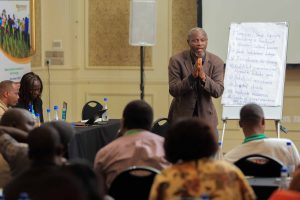
To respond to this emerging problem, the Regional Universities Forum for Capacity Building in Agriculture (RUFORUM), on the sidelines of its 21st Annual General Meeting in Gaborone, Botswana, convened a leadership and mentorship training for emerging researchers, particularly PhD candidates and postdoctoral fellows. Led by Prof Agnes Wakesho Mwang’ombe from the University of Nairobi in Kenya and Prof. Achille Ephrem Assogbadjo from the University of Abomey-Calavi in the Republic of Benin, both RUFORUM member universities, the programme delivered a clear message, “scientific excellence alone is no longer sufficient”. Research teams thrive not only on technical expertise but also on leaders who can guide people, manage conflict, and build collaborative cultures.
A central theme of the training was that leadership in academia does not begin at professorship, but much earlier than the title. Leadership is cultivated in lab meetings, collaborative projects, grant applications, thesis supervision, and the day-to-day decisions that shape research culture. In these spaces, early-career scientists influence the tone, values, and functioning of their teams long before they hold formal authority.
Mentorship as an essential Ingredient
Participants reflected on the importance of learning from supervisors and not only inheriting their strengths, but consciously recognising where leadership practices need improvement. In many African universities where supervisors are often, stretched thin, effective mentorship must be intentional, structured, and supported institutionally. Young scientists often learn as much from the gaps they observe as from the guidance they receive.
Given that modern research relies heavily on teamwork, the training underscored the value of investing in colleagues, fostering trust, and creating supportive lab environments. Emotional intelligence, empathy, and conflict management were highlighted not as peripheral “soft” skills but as the foundation of healthy, productive research ecosystems.
These competencies are especially vital in African research settings, where resources are limited, expectations are high, and career pathways easily fragmented. Strong leadership reduces burnout, protects mental well-being, and strengthens collaboration across institutions and borders.
Beyond structural challenges, the training addressed quieter but equally significant obstacles such as imposter syndrome, self-doubt, and limited exposure to leadership role models. These internal barriers can undermine scientific growth and delay leadership readiness. Building confidence and visibility for early-career researchers is essential if African scientists are to compete and lead on the global stage.
A Call to Action
Producing globally competitive researchers requires more than technical training. African universities must prioritise structured leadership and mentorship development. That means embedding leadership skills into postgraduate education, strengthening mentorship frameworks, enhancing communication and emotional intelligence training, creating supportive team environments, and investing in long-term leadership and professional development initiatives.
Africa’s future depends on the strength of its research workforce and that workforce depends on thoughtful, confident, and empathetic science leaders who understand both people and science. By investing in leadership today, African universities will shape the innovators and change makers of tomorrow.